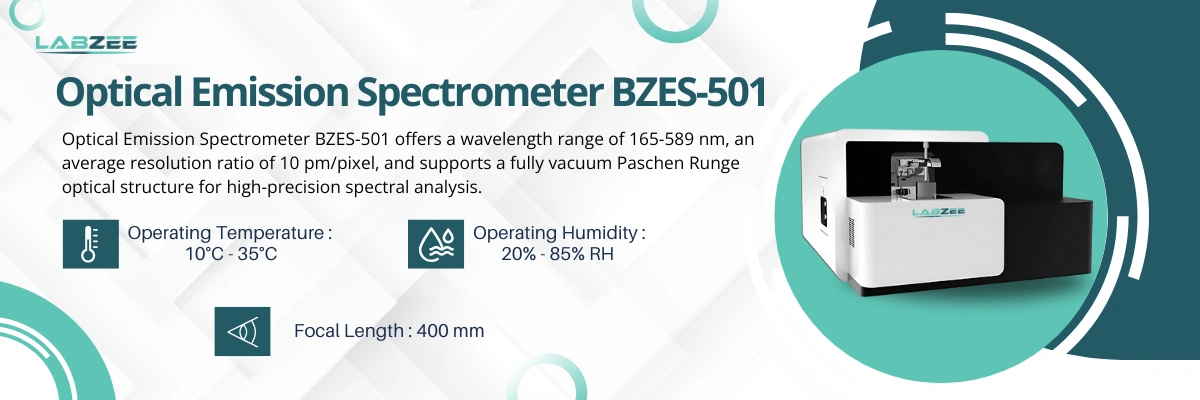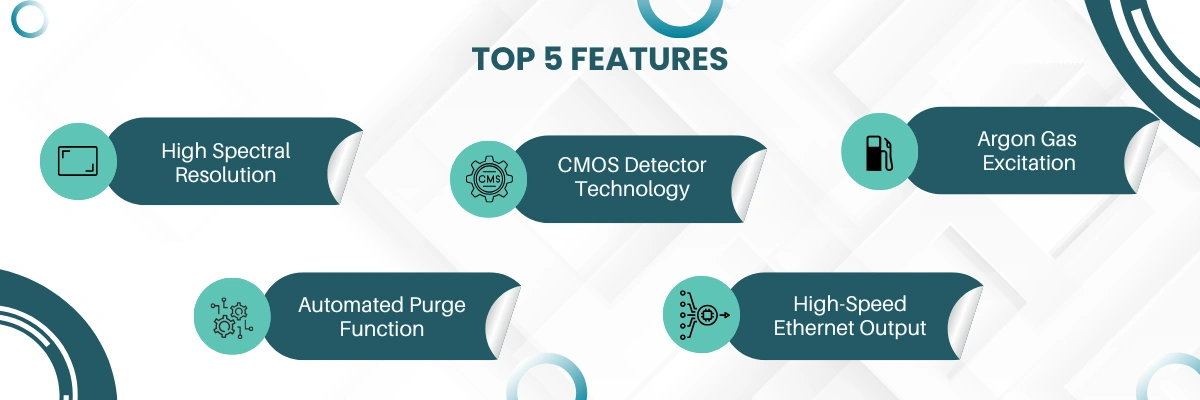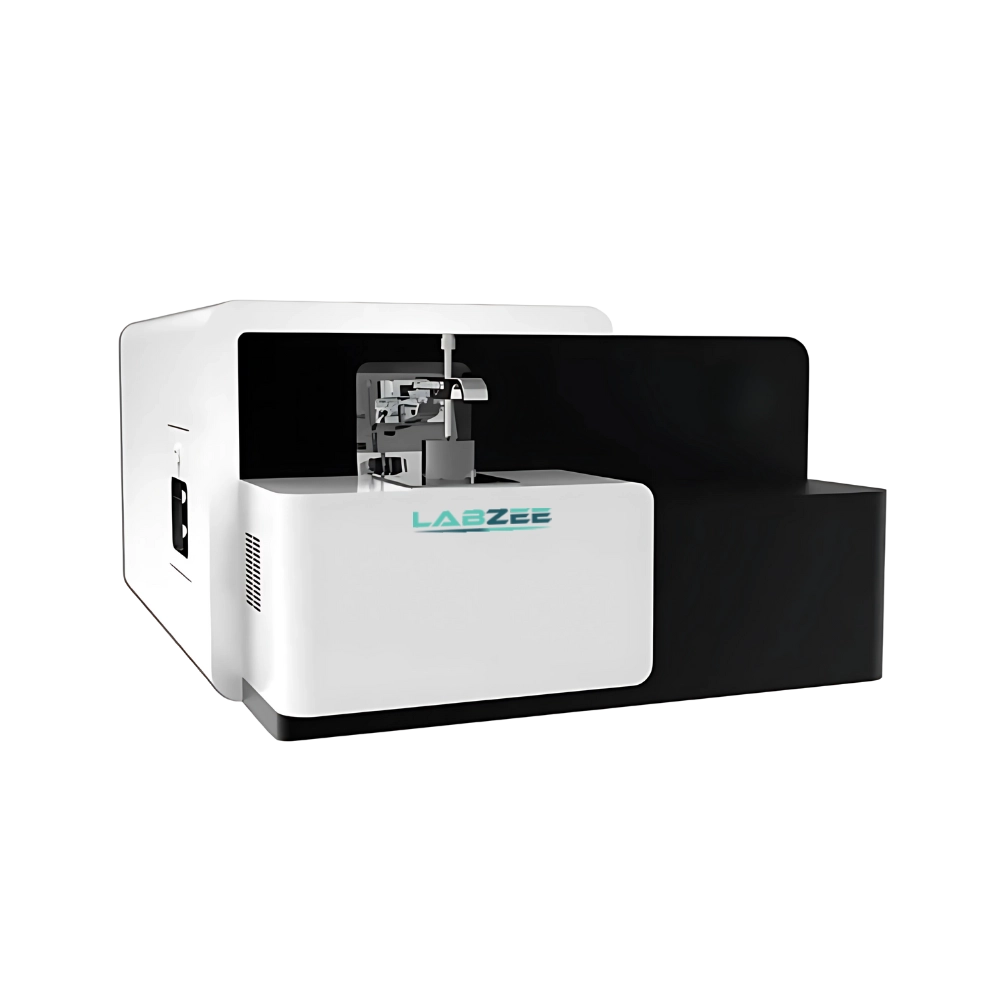
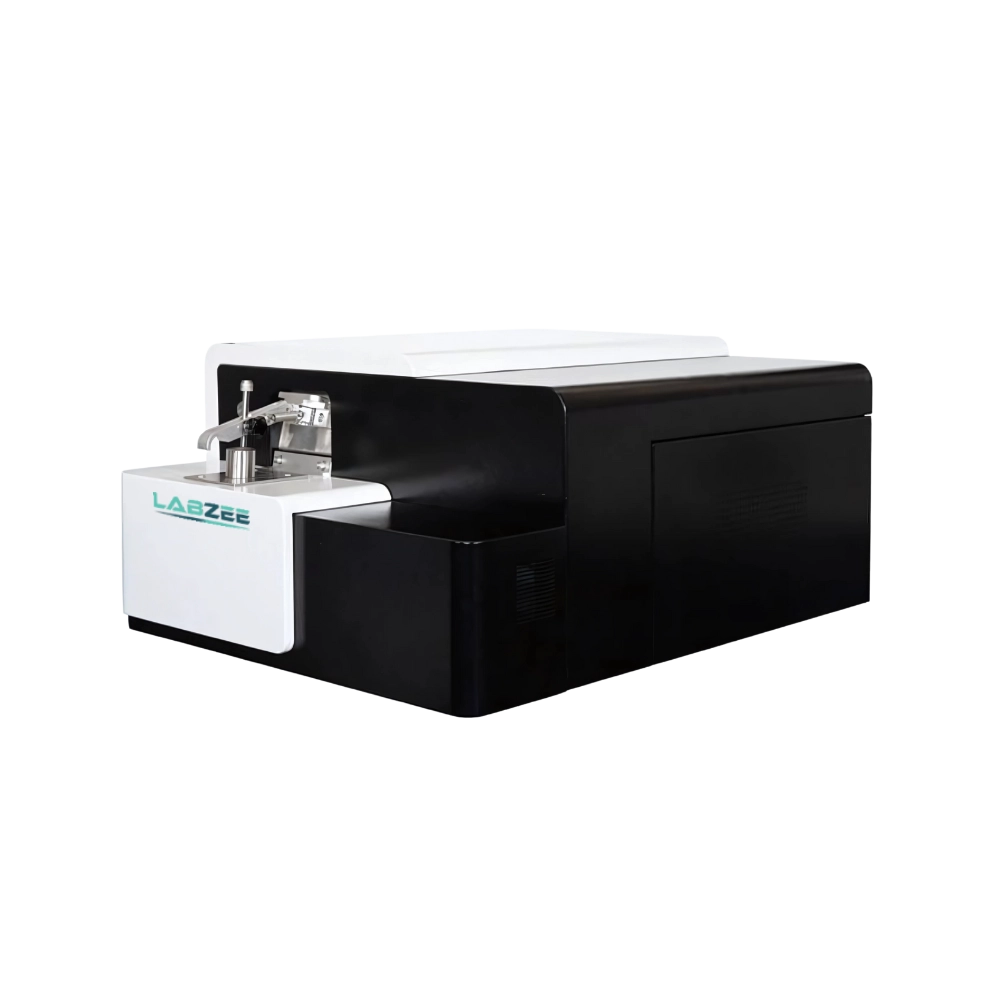
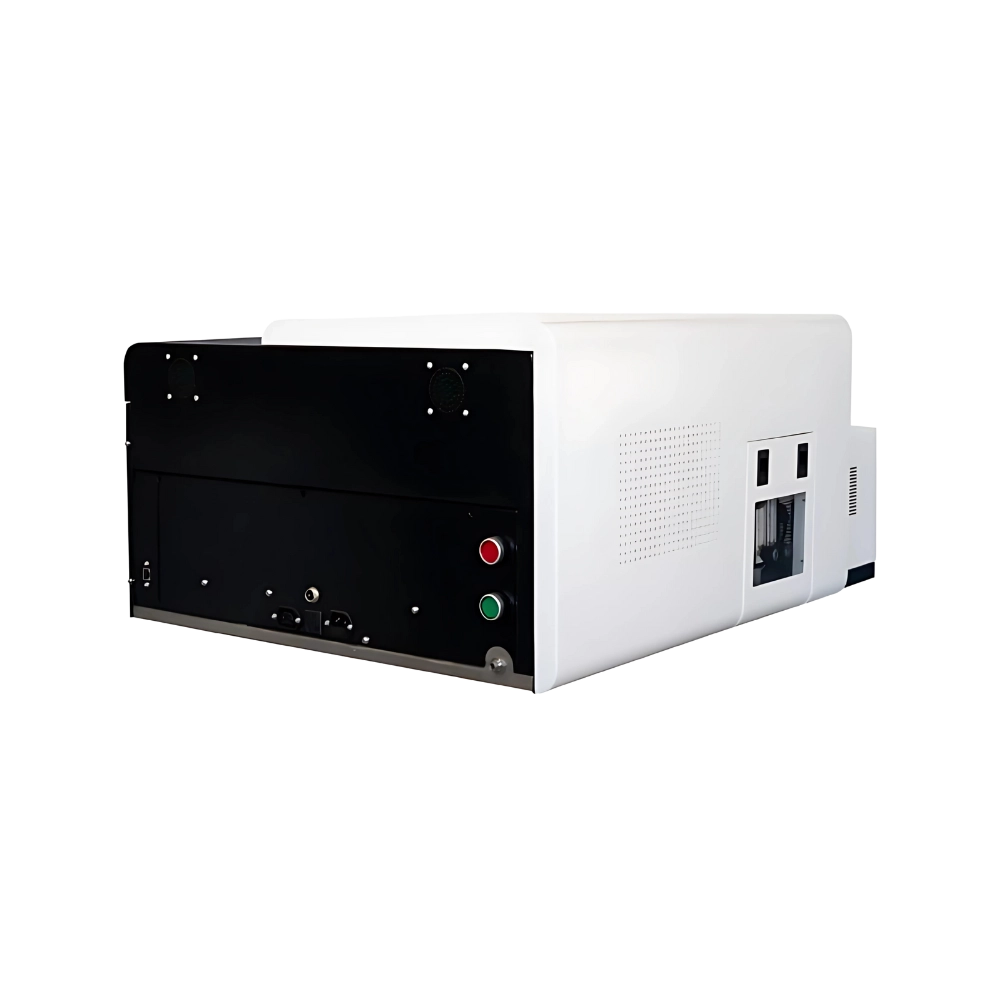
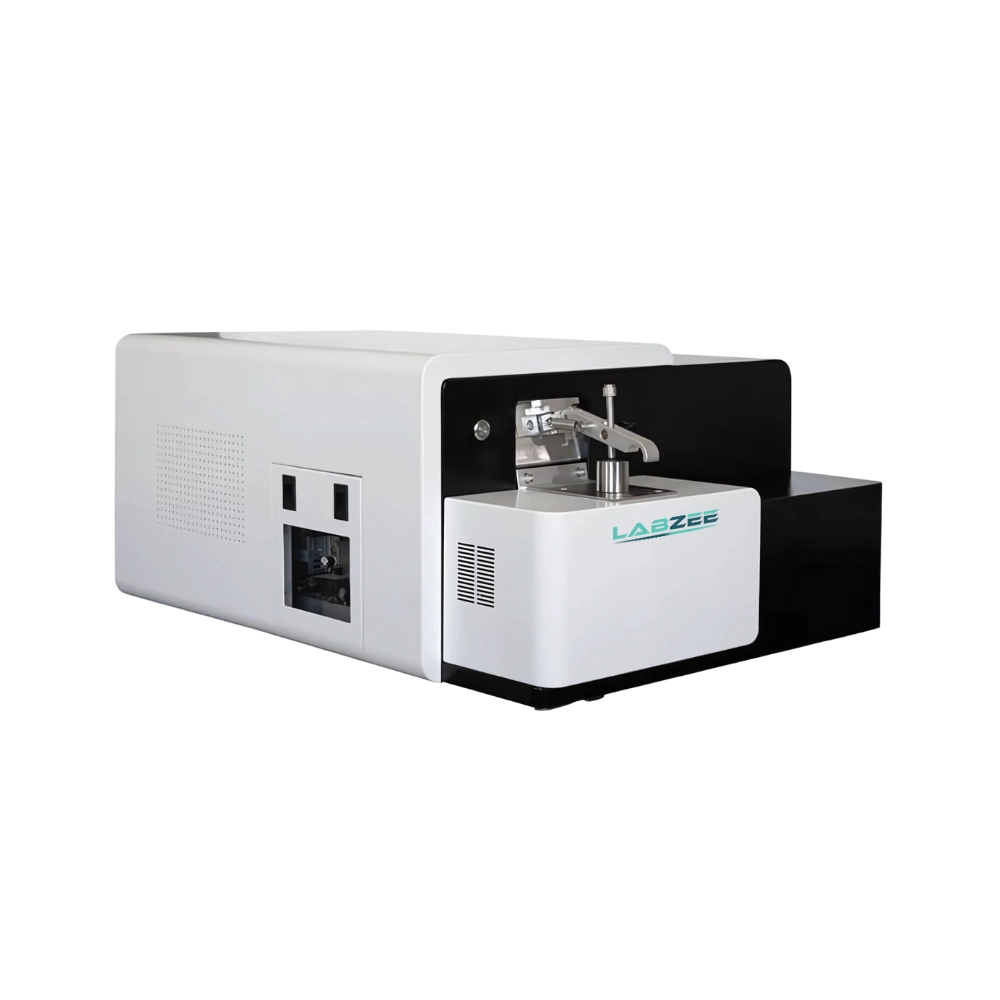
Optical Emission Spectrometer BZES-501 offers a wavelength range of 165-589 nm, an average resolution ratio of 10 pm/pixel, and supports a fully vacuum Paschen Runge optical structure for high-precision spectral analysis. This Spectrometer detection system employs a high-performance linear CMOS array. It uses a HEPS light source with high-energy pre-combustion technology for superior excitation stability. Its built-in discharge parameter optimization and thermal compensation provide consistent and reliable analysis under variable conditions. Our Optical Emission Spectrometer BZES-501 is suitable for precise elemental analysis in metallurgy, foundries, automotive materials, and quality control laboratories.
| Wavelength Range | 165-589 nm |
| Room Temperature Requirement | 35°C ± 5°C |
| Operating Temperature | 10°C - 35°C (Ideal at 25°C) |
| Operating Humidity | 20% - 85% RH |
| Average Resolution Ratio | 10 pm/pixel |
| Focal Length | 400 mm |
| Grating Line Density | 2400 lines/mm |
| First Order Spectral Dispersion | 1.2 nm/mm |
| Optical Structure | Paschen Runge construction, full vacuum type |
| Detector Type | Multi-block high-performance linear CMOS array |
| Excitation Gas | Rushing Argon (99.999%) |
| Argon Flow Rate | 3-5 L/min (No standby traffic needed) |
| Electrode Material | Tungsten |
| Type of Light Source | HEPS |
| Frequency Range | 100-1000 Hz |
| Sample Analysis Gap | 3.4 mm |
| Discharge Current | 1-400 A |
| Purge Function | Automatic purge |
| Thermal Compensation | Self-compensation for deformation |
| Pre-combustion Technology | High-energy pre-combustion design |
| Special Technology | Discharge parameter optimization |
| Processor | High-end ARM with high-speed sync and processing |
| Data Interface | Ethernet (DM9000A-based transmission) |
| Power Consumption | Max 750W / Standby 100W |
| Power Supply | 220V AC, 50/60Hz |
| Product Dimension | 860 × 680 × 438 mm |
| Packing Dimension | 1280 × 820 × 930 mm |
| Net Weight | 100 Kg |
| Gross Weight | 208 Kg |
Voltage Stabilizer 3KV: 1500USD
Sample Grinder: 1650USD
Argon Purifier: 4800USD
Optional Emission Spectrometer (W5) × 1Set
Business Computer × 1Set
Printer × 1Set
Tungsten Electrode × 1Piece
Electrode Pressure Spring × 1 Piece
The Electrode Fixed Screw × 2 Pieces
Electrode Brush (Φ6) × 2 Pieces
Lens Holder Sealing Ring (Φ16×2.65) × 2 Pieces
Spark Stand Sealing Ring (Φ72×2.65) × 1 Piece
Exhaust Gas Filter Core × 1 Piece
Degreasing Cotton × 15G
Power Socket × 1 Piece
M2 Internal Hexagonal Wrench × 1Set
M4 Internal Hexagonal Wrench × 1Set
Long Handle Phillips Screwdriver × 1 Piece
13-15 Fixed Wrench × 1 Piece
Spark Stand Screw (M6) × 4 Pieces
Fuse (10A) × 2 Pieces
Argon Gas Pressure Reducing Valve × 1 Piece
Argon Gas Pipeline × 2M
Exhaust Pipe × 1 Piece
Gas Bottle × 2 Pieces
Print Paper × 1 Piece
Spectrometer Manual × 1Set
Our Optical Emission Spectrometer BZES-501 is designed for precise elemental analysis in metallurgy labs, alloy verification, metal processing, and quality inspection industries.
Frequently Asked Questions
1: What type of samples are suitable for OES analysis?
Solid, polished metal samples are ideal for OES. The sample surface must be clean and flat to ensure reliable contact and spark discharge, which are essential for consistent measurement.
2: Can you get real-time results with an Optical Emission Spectrometer?
Yes, OES systems provide rapid analysis, often delivering results within seconds. This real-time feedback is valuable in manufacturing environments where immediate quality control decisions are needed.
3: How accurate is the Optical Emission Spectrometer?
OES is highly accurate, capable of detecting elements down to parts-per-million (ppm) levels. Its precision makes it a preferred tool for critical applications where trace elements must be monitored.
4: What is the maintenance requirement for an OES?
Routine maintenance includes cleaning the electrode and spark stand, checking the argon gas supply (if used), and ensuring the optics remain aligned and dust-free. Regular calibration with certified standards is also essential for accuracy.
5: Can you use Optical Emission Spectroscopy in field conditions?
While traditional OES systems are benchtop units for lab use, portable versions are available for field analysis. These portable models are useful for on-site verification in scrapyards, construction sites, and other mobile environments.
6: Can you explain what an Optical Emission Spectrometer is used for?
An Optical Emission Spectrometer (OES) is used to analyze the elemental composition of metal samples. It determines the type and concentration of elements present by measuring the light emitted from a sample excited by an electrical discharge, making it vital in quality control and material verification.
7: How does the Optical Emission Spectrometer work?
The spectrometer works by introducing a metal sample to an electrical arc or spark, which excites the atoms in the sample. These excited atoms emit light at specific wavelengths, which the spectrometer detects and analyzes to identify and quantify the elements present.
8: Can you use the Optical Emission Spectrometer for non-metallic materials?
OES is primarily designed for metallic samples and is not suitable for non-metallic substances. It is most effective when analyzing alloys like steel, aluminum, copper, and other metals where precise elemental analysis is required.
9: What industries commonly use an Optical Emission Spectrometer?
Industries such as metallurgy, aerospace, automotive, and foundries frequently use OES equipment. It plays a key role in ensuring the chemical composition of metals meets required standards and specifications.
10: Can you analyze multiple elements at once using this equipment?
Yes, the Optical Emission Spectrometer can simultaneously detect and measure multiple elements from a single sample. This capability makes it both time-efficient and accurate for comprehensive analysis.