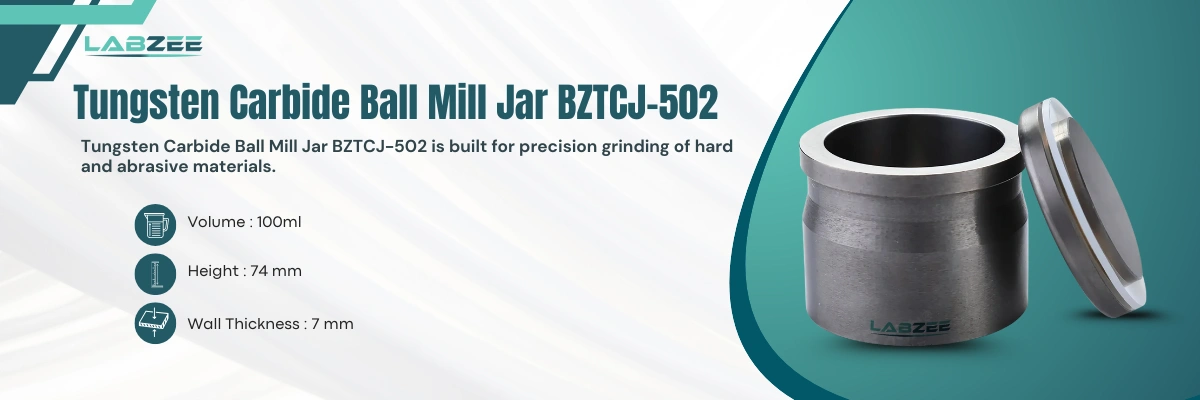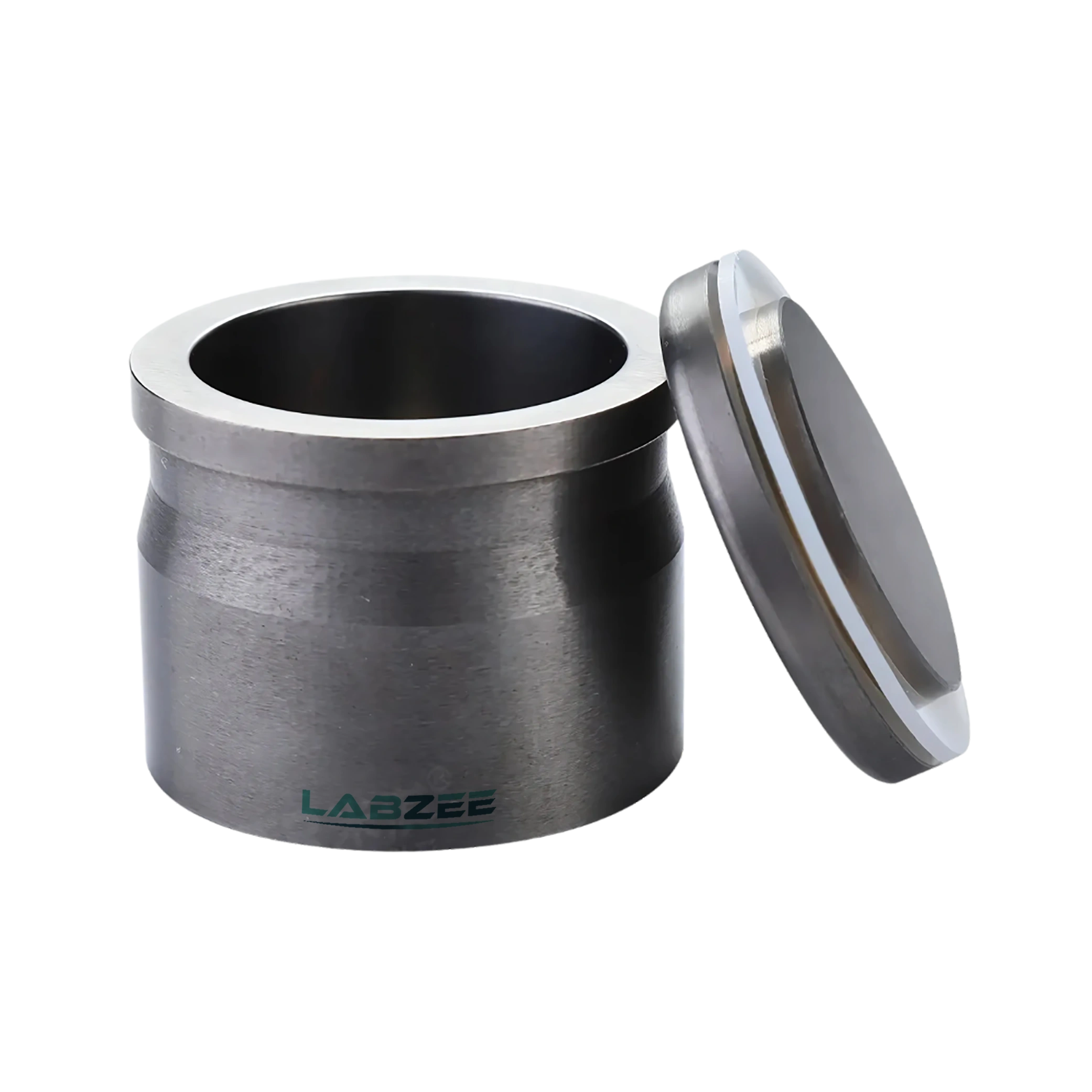
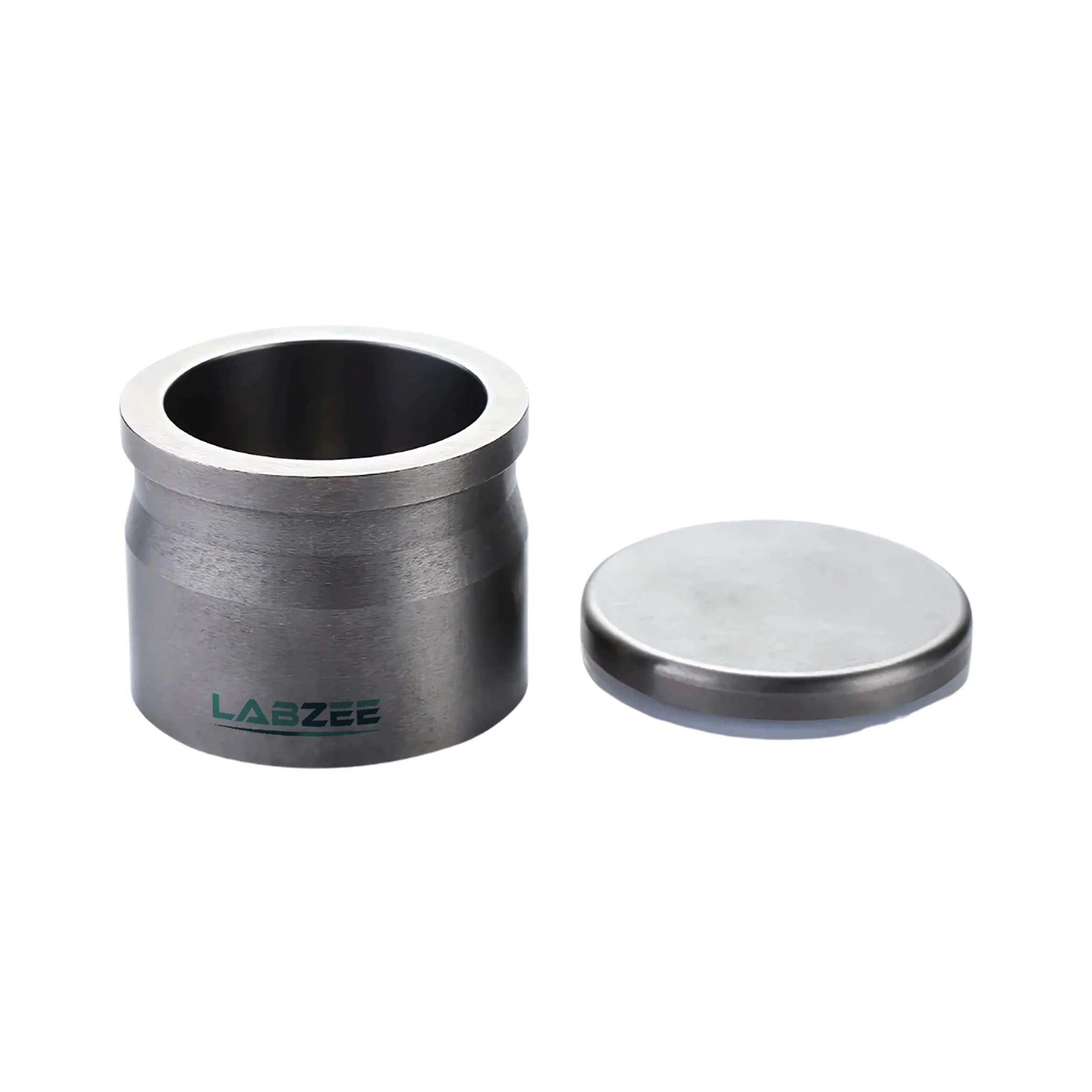
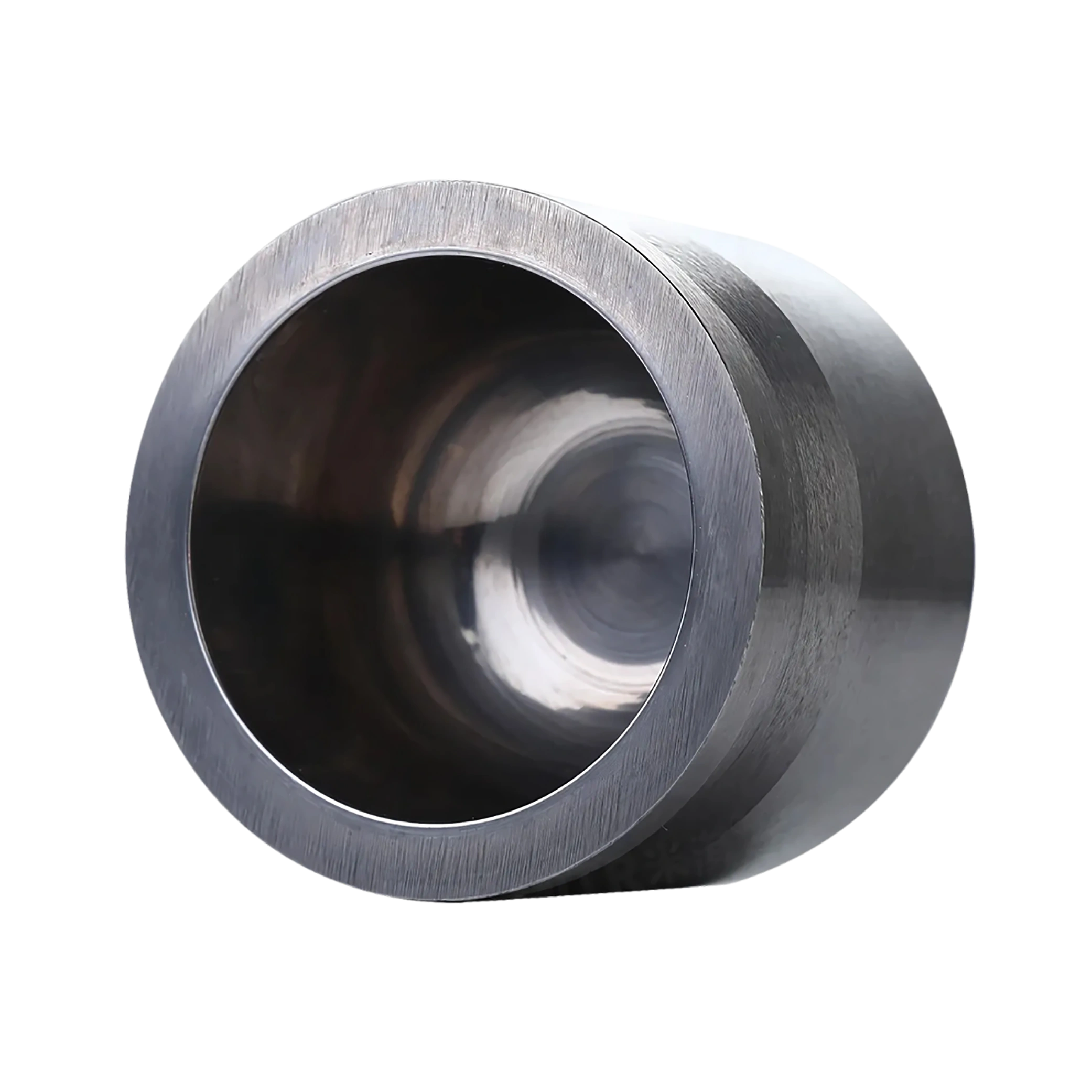
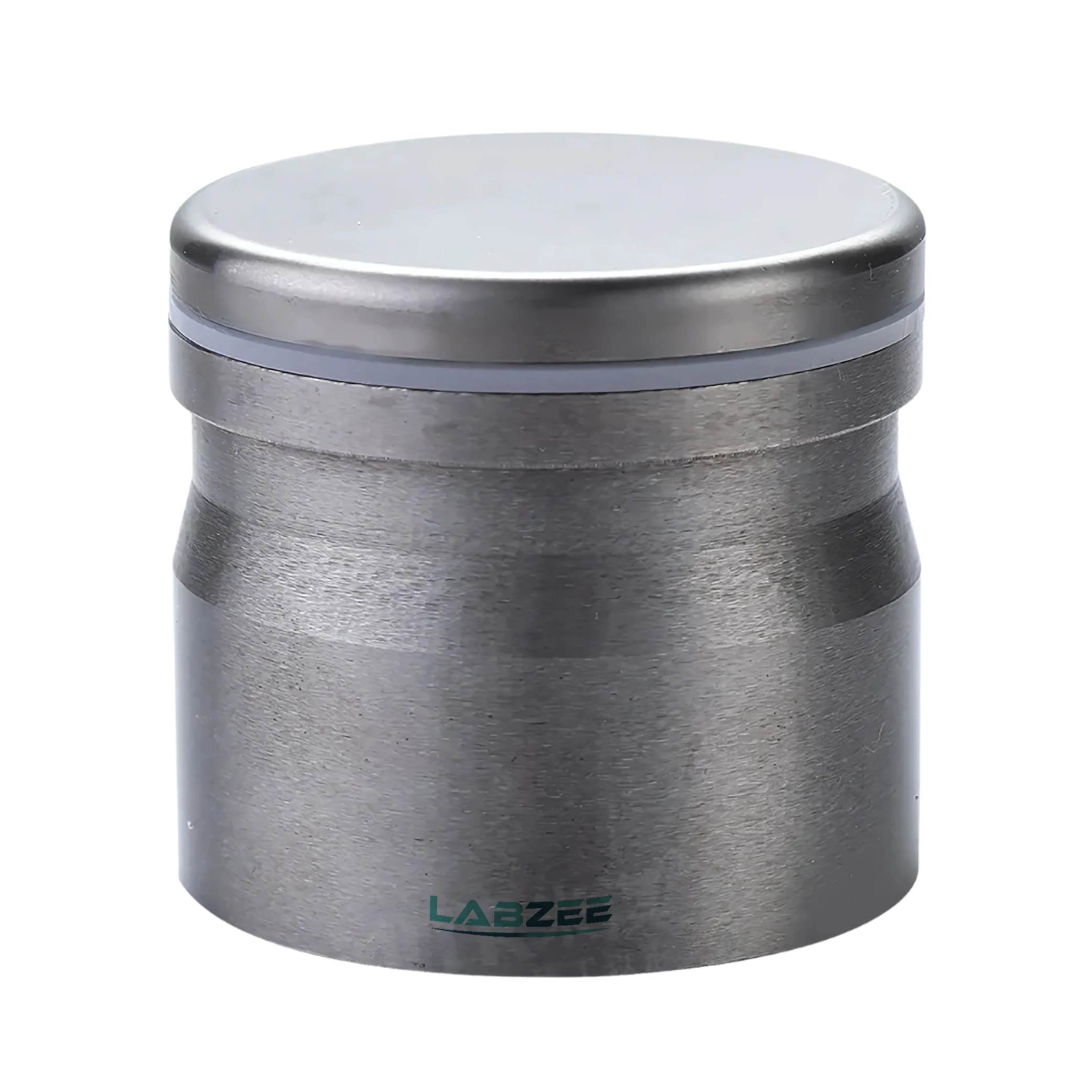
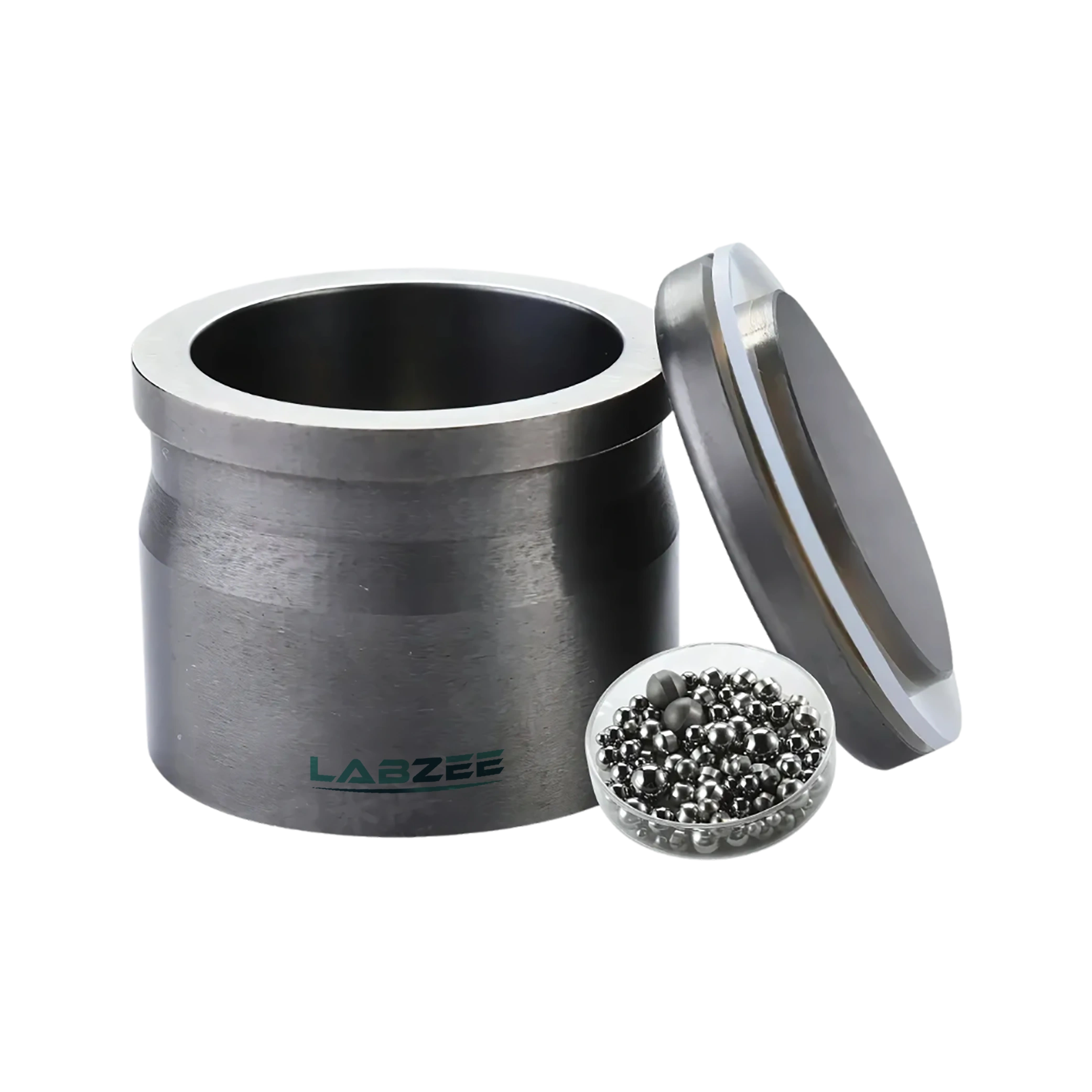
Tungsten Carbide Ball Mill Jar BZTCJ-502 is built for precision grinding of hard and abrasive materials. The Ball Mill Jar features a 100 ml volume with high wall strength, ideal for high impact milling and mechanical alloying. It incorporates a flat gasket seal that ensures minimal contamination during operation. Its ultra-hard body maintains shape and consistency even under extreme stress conditions. Our Tungsten Carbide Ball Mill Jar BZTCJ-502 is widely used in mineral analysis, ceramic research, powder metallurgy, and nano-material preparation.
| Volume | 100 ml |
| Height | 74 mm |
| Seal Ring Type | Flat Gasket |
| Wall Thickness | 7 mm |
| Cover Thickness | 12 mm |
| Internal Diameter | 60 mm |
| External Diameter | 68 mm |
| Bottom Diameter | 64 mm |
| Grinding Jar Cover Weight | 0.645 Kg |
| Grinding Jar Wet Weight | 2.234 Kg |
| Gross Weight | 5 Kg |
Our Tungsten Carbide Ball Mill Jar BZTCJ-502 is used for intense grinding applications such as breaking down tough metal alloys, refining ceramics and powders, pulverizing magnetic materials, and performing structural geochemical studies on hard rock samples with high repeatability.
Frequently Asked Questions
1: What makes the BZTCJ-502 ideal for abrasive samples?
Its tungsten carbide construction ensures exceptional resistance to abrasion, making it ideal for grinding hard minerals, metals, and ceramics with minimal wear.
2: Can this jar be used for magnetic materials?
Yes, its low magnetic permeability and stable sealing design make it highly suitable for crushing magnetic powders without interference or contamination.
3: Is the 100 ml capacity efficient for laboratory batch processing?
It balances sample size with energy efficiency, making it perfect for medium-scale lab applications like particle refinement and formulation testing.
4: What sealing mechanism does it use?
BZTCJ-502 uses a flat gasket seal that ensures a secure, leak-proof closure, protecting both the material and the milling environment during operation.
5: How does it perform under high-energy milling?
Its high density and rigidity allow it to handle extended high-energy cycles without cracking or deforming, which is critical for mechanical alloying and nano-synthesis.
6: When should a Tungsten Carbide Ball Mill Jar be used?
A Tungsten Carbide Ball Mill Jar is used when milling extremely hard, dense, or abrasive materials like ores, alloys, or cemented carbides. Its superior hardness and resistance make it ideal for high-impact, high-friction applications. It’s the preferred choice in mechanical alloying and metallurgy.
7: Can the Tungsten Carbide Ball Mill Jar be used for wet grinding?
Yes, the Tungsten Carbide Ball Mill Jar supports both wet and dry grinding processes. Ensure it is sealed properly to prevent leakage during wet milling. Use appropriate media to avoid excessive wear.
8: Can different media be used with the Tungsten Carbide Ball Mill Jar?
Yes, tungsten carbide balls are typically recommended, but other compatible media can be used depending on the application. Match the hardness of the media to the jar material for best results. Always avoid using media that may cause chipping or contamination.
9: When does the Tungsten Carbide Ball Mill Jar require replacement?
The Tungsten Carbide Ball Mill Jar should be replaced if cracks, chips, or reduced efficiency appear during use. Despite its extreme durability, repeated impact can eventually lead to wear. Routine inspection ensures optimal grinding and safety.
10: Can the Tungsten Carbide Ball Mill Jar be cleaned safely?
Yes, the Tungsten Carbide Ball Mill Jar can be cleaned using alcohol, acetone, or ultrasonic baths. Avoid abrasive brushes that may scratch the surface. Proper cleaning between samples prevents cross-contamination, especially in alloy or mineral research.